Reading the observed high before the market moves
A practical Skycast guide to the intraday number that matters most in station-based temperature markets: the observed high so far.
The cleanest informational edge in weather markets is often not a fancy forecast. It is noticing when the settlement station has already printed a temperature that makes lower bins impossible.
Start from settlement, not sentiment
The first mistake people make in weather markets is treating the order book as if it were the answer key. It is not. The market price is only a crowd estimate. What actually settles the market is the finalized daily high for the exact station named in the rules, rounded the way the rules specify.
That means the right opening question is not what bin is winning right now, but what has the settlement station already done and what can it still do before the local day ends. Once you frame the market that way, a lot of confusing intraday pricing starts to look more understandable.
A trader who begins from settlement mechanics will notice meaningful changes sooner than a trader who begins from price alone. In station-based markets, the information hierarchy matters: the station and its daily high come first, the crowd comes second.
The observed high is the floor, not just another data point
The most useful intraday number is the highest observed temperature so far at the settlement station. Once that number exists, it does not behave like a soft hint. It behaves like a floor. Any bin entirely below that observed high stops being a realistic winner unless there is a data correction later.
This is also where people mix up three different numbers: the current temperature, the daily high so far, and the final historical daily high. The current reading can drift lower after a warm burst, while the daily high so far remains locked. That is why simply checking what it is now is not enough.
Skycast is designed around this distinction. The product should make it obvious that the board changes shape as soon as the observed high enters a new bracket. At that point, lower bins are no longer in competition. The market is deciding between the floor bin and the remaining warmer outcomes.
- Observed high sets the minimum still-possible winning bracket.
- Dead bins are the bins entirely below that floor.
- Next threshold is the temperature that would force the floor up another bracket.
- Remaining forecast headroom determines whether warmer bins are still meaningfully alive.
Why station feeds matter more than generic weather pages
A generic weather app is usually optimized for human browsing, not for market settlement. It may show the city center, a nearby neighborhood, a current reading, or a rounded summary that has nothing to do with the exact airport or observatory named in the market rules.
Station-based markets are stricter than that. They care about one specific place and one specific daily-high record. The right source chain is often airport METAR or an official observatory feed for the live side, followed by a named resolution page for the finalized side.
This is why a clean product experience matters. A good market page should reduce the amount of translation a user has to do between raw weather inputs and a market bracket. The less mental remapping required, the easier it is to see when the market is simply slow.
- Verify the station code named in the rules before trusting a reading.
- Treat current temperature and daily high so far as different pieces of information.
- Treat live observation pages and finalized historical tables as different stages of the same process.
What the Miami example teaches
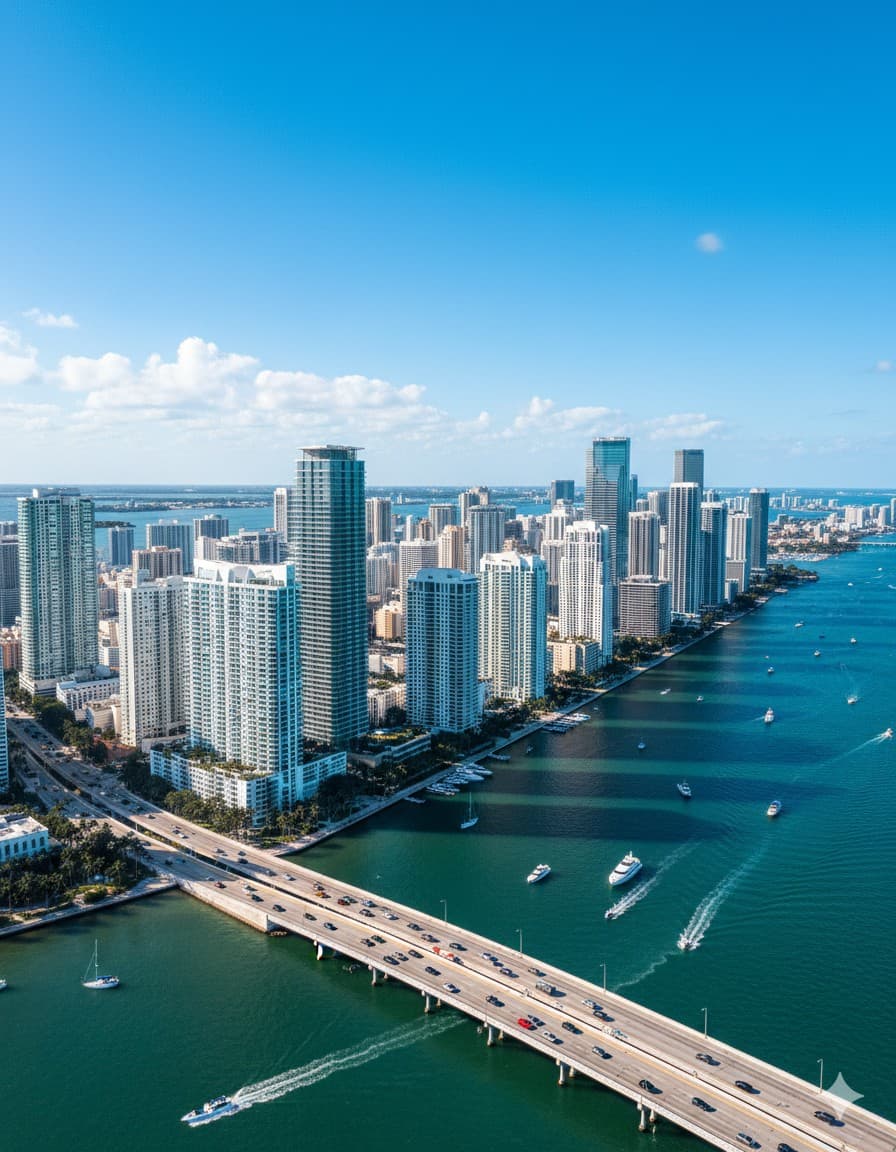
Miami is a good teaching example because it shows how sharp the transition can be. Imagine a market still heavily favoring 80-81°F while KMIA has already printed 83°F. At that point the market may still look active, but from a settlement perspective the lower favorite is already gone.
The real decision has shifted. The question is no longer whether 80-81°F can win. It cannot, absent a source correction. The live uncertainty is now whether the final high remains inside 82-83°F or whether afternoon heating still allows 84-85°F or higher.
That is exactly the kind of situation where a product should help the user narrate the board correctly. A well-designed weather market tool should not just display percentages. It should explain the floor, the dead bins, and the next print that would change the state again.
A simple intraday checklist
The good news is that you do not need a complicated model to get the framing right. A simple sequence will usually do more than staring at the order book. Start with the station, then the daily high so far, then the remaining heating room, then the market price.
That sequence keeps the raw information in the right order. It also makes it easier to understand what Skycast is contributing. The app is not replacing the resolution chain. It is compressing the relevant pieces into something fast to interpret.
- Confirm the exact settlement station and local date.
- Check the daily high so far, not just the current temperature.
- Mark every bin below that high as dead.
- Check the forecast ceiling and time left in the local day.
- Only then compare what the market is pricing.
Where people still get tripped up
A lot of false confidence comes from mixing sources. Someone sees a live badge, assumes it is already the final historical value, and then overstates how settled the market is. Someone else sees the crowd favorite and assumes that price must reflect all available information. Both errors are common.
The better habit is to keep the stages separate: live station observation, modeled outlook, and final resolution source. Once you do that, you stop treating a weather market like a pure sentiment contest and start treating it like an information chain with a clock attached to it.
Common questions
If the station already hit 83°F, can an 80-81°F bin still win?
In normal conditions, no. Once the station has already printed 83°F, a lower range such as 80-81°F is effectively dead unless the source is later corrected before the market settles.
Why can a market still price a dead bin so highly?
Because traders are not all watching the same thing. Some react to live station data, some react to the order book, and some wait for the historical page to look finalized. That lag is where stale pricing survives.
Does the observed high tell you the final answer by itself?
Not always. It sets the floor, not the ceiling. Once the daily high so far reaches a bracket, the real question becomes whether the day is done or whether there is still enough heating left to push the final high into the next bracket.